সাংহাই শেনহুয়া কেবেল (গোষ্ঠী) কোং লিমিটেড।

বৈশ্বিক তার এবং তারের বাজার ২০২৬ সালে একটি রূপান্তরমূলক পর্যায়ে চলেছে, যা ত্বরান্বিত শক্তি রূপান্তর, দ্রুত নগরায়ন এবং পরিবহণের বিদ্যুতায়ন দ্বারা চালিত।শিল্প বিশ্লেষকরা ২০২৮ সালের মধ্যে বাজারের পরিমাণ ২৮০ বিলিয়ন ডলার ছাড়িয়ে যাবে বলে পূর্বাভাস দিয়েছেন, যার মধ্যে বেশ কয়েকটি মূল প্রবণতা বৃদ্ধির গতিপথ নির্ধারণ করে।
সৌর ও বায়ু শক্তির ইনস্টলেশন বিশ্বব্যাপী রেকর্ড ভাঙতে থাকে, সরাসরি বিশেষায়িত তারের চাহিদা বাড়িয়ে তোলে।সমুদ্রের তলদেশে ট্রান্সমিশন ক্যাবলগুলি দ্রুত বর্ধনশীল সেগমেন্টগুলির মধ্যে রয়েছে।চীন একাই ২০২৫ সালে ৩০০ গিগাওয়াটেরও বেশি সৌরশক্তি যুক্ত করেছে এবং ২০২৬ সালে ভারত, মধ্যপ্রাচ্য এবং উত্তর আফ্রিকা জুড়েও একই গতি বাড়বে বলে আশা করা হচ্ছে।টিইউভি এবং ইউএল শংসাপত্রপ্রাপ্ত সৌর ক্যাবল সরবরাহ করতে সক্ষম তারের নির্মাতারা বাজারের উল্লেখযোগ্য অংশ দখল করতে সক্ষম.
২০২৫ সালে বৈশ্বিক ইভি বিক্রয় ১৮ মিলিয়ন ইউনিট ছাড়িয়ে গেছে, যা ইভি চার্জিং অবকাঠামো এবং এটি চালিত করার জন্য তারের জন্য অভূতপূর্ব চাহিদা তৈরি করেছে।তরল-শীতল উচ্চ-ক্ষমতা চার্জিং তারের, এবং বহিরঙ্গন রেটযুক্ত টেকসই তারগুলি এখন বিশ্বব্যাপী চার্জিং স্টেশন অপারেটরদের জন্য সমালোচনামূলক সংগ্রহের আইটেম।২০২৬ সালের মধ্যে প্রধান মহাসড়কগুলোতে প্রতি ৬০ কিলোমিটারে একটি করে চার্জিং পয়েন্ট স্থাপনের জন্য ইইউর নির্দেশনা এই প্রবণতাকে আরও ত্বরান্বিত করছে.
উন্নত অর্থনীতিতে বিদ্যুৎ নেটওয়ার্কের বয়স বৃদ্ধি এবং উদীয়মান বাজারে সক্ষমতা বৃদ্ধির ফলে পরিবহন ও বিতরণ পরিকাঠামোতে ব্যাপক বিনিয়োগ হচ্ছে।স্মার্ট গ্রিড স্থাপনের জন্য উন্নত যন্ত্রের তারের প্রয়োজনমার্কিন যুক্তরাষ্ট্রে একটি নতুন প্রযুক্তির উদ্ভাবন করা হয়েছে, যার মধ্যে রয়েছে, ফাইবার-অপটিক কম্পোজিট এয়ারহেড গ্রাউন্ড ওয়্যার (ওপিজিডাব্লু) এবং রিয়েল-টাইম ডেটা ট্রান্সমিশন সক্ষম বুদ্ধিমান মনিটরিং ক্যাবল।শুধুমাত্র ২০৩০ সালের মধ্যে গ্রিড আধুনিকীকরণের জন্য ৬৫ বিলিয়ন ডলারের বেশি বরাদ্দ করেছে.
ইউরোপ, মধ্যপ্রাচ্য এবং দক্ষিণ-পূর্ব এশিয়ায় ভবন নিরাপত্তা সংক্রান্ত আরও কঠোর আইন প্রচলিত পিভিসি ক্যাবল থেকে কম ধোঁয়া শূন্য হ্যালোজেন (এলএসজেডএইচ) এবং অগ্নি প্রতিরোধী ক্যাবলগুলিতে স্থানান্তরকে ত্বরান্বিত করছে।সরকার সরকারি ভবনে এলএসজেএইচ ক্যাবলগুলিকে ক্রমবর্ধমানভাবে বাধ্যতামূলক করছে, টানেল, ডাটা সেন্টার এবং গণপরিবহন ব্যবস্থা ০ নিয়ন্ত্রক দ্বারা চালিত চাহিদা তরঙ্গ তৈরি করে যা ধীর হওয়ার কোনও লক্ষণ দেখায় না।
| প্রবণতা | মূল তারের প্রকার | বৃদ্ধির চালক |
|---|---|---|
| পুনর্নবীকরণযোগ্য শক্তি | পিভি ওয়্যার, সাব-সাইড তারের, এমভি আন্ডারগ্রাউন্ড | সৌর ও বায়ু বিদ্যুৎ উৎপাদন ক্ষমতা বৃদ্ধি |
| ইভি চার্জিং | ইভি চার্জিং ক্যাবল, তরল শীতল ক্যাবল | ইভি গ্রহণ এবং অবকাঠামো আদেশ |
| স্মার্ট গ্রিড | ইনস্ট্রুমেশন ক্যাবল, ওপিজিডব্লিউ | গ্রিড আধুনিকীকরণের বিনিয়োগ |
| অগ্নিনির্বাপক নিরাপত্তা | LSZH ক্যাবল, অগ্নি প্রতিরোধী ক্যাবল | ভবন সুরক্ষা কোড আরও কঠোর |
| শিল্প অটোমেশন | টেনে আনুন চেইন ক্যাবল, সুরক্ষিত নিয়ন্ত্রণ ক্যাবল | ইন্ডাস্ট্রি ৪.০ এবং স্মার্ট ফ্যাক্টরি গ্রহণ |
ভূ-রাজনৈতিক পরিবর্তন এবং বাণিজ্য নীতি পরিবর্তনগুলি তারের সরবরাহ চেইনগুলিকে পুনরায় গঠন করছে।ক্রেতারা ক্রমবর্ধমানভাবে বৈচিত্র্যময় উত্পাদন ভিত্তি এবং একাধিক শংসাপত্র ব্যবস্থার সাথে সম্মতি জানাতে সক্ষম সরবরাহকারীদের সন্ধান করেএশীয় নির্মাতারা, বিশেষ করে চীনে, খরচ এবং স্কেল সুবিধা অব্যাহত রেখেছে,কিন্তু আঞ্চলিক গুদাম এবং সংক্ষিপ্ত সীসা সময় গুরুত্বপূর্ণ প্রতিযোগিতামূলক পার্থক্য হয়ে উঠছে.
ক্যাবল আমদানিকারক এবং প্রকল্পের ক্রেতার জন্য ২০২৬ উভয় সুযোগ এবং জটিলতা উপস্থাপন করে। মূল সুপারিশগুলির মধ্যে রয়েছেঃ আঞ্চলিক ব্যাঘাতের ঝুঁকি হ্রাস করার জন্য সরবরাহকারী পোর্টফোলিওগুলিকে বৈচিত্র্যময় করা,মাল্টি-স্ট্যান্ডার্ড সার্টিফিকেশন ক্ষমতা সহ প্রস্তুতকারকদের অগ্রাধিকার দেওয়া, এবং ক্ষমতা আরও সংকীর্ণ হওয়ার আগে সৌর তারের এবং ইভি চার্জিং তারের মতো উচ্চ চাহিদাযুক্ত বিভাগগুলিতে দীর্ঘমেয়াদী চুক্তিগুলি লক করা।
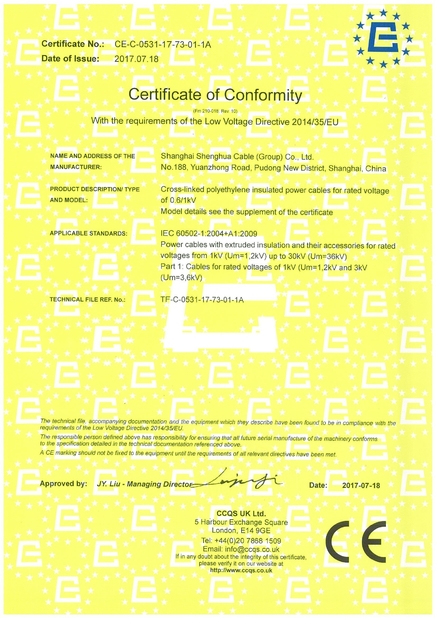
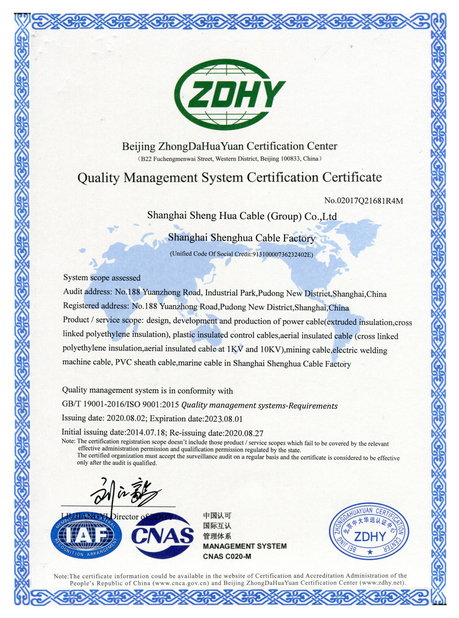
এই শিল্পের প্রবণতা বাড়ার সাথে সাথে,শেংহুয়া কেবল গ্রুপ∙ তার ১৭টি পণ্যের লাইন, আন্তর্জাতিক শংসাপত্র,এবং ২৮ বছরের উত্পাদন দক্ষতা ∙ সব প্রধান ক্যাবল বিভাগ জুড়ে বিশ্বব্যাপী ক্রেতাদের ক্রমবর্ধমান চাহিদা পরিবেশন করতে ভাল অবস্থানে রয়ে গেছে.